
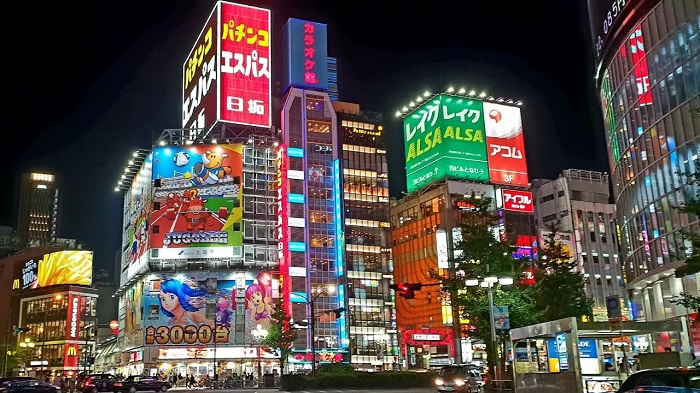
Tokyo is a major global center for technology, finance, design, education, tourism, entertainment, and international trade. Organizations around the world communicate with Japanese companies, while travelers plan visits to Tokyo for work, holidays, events, and cultural experiences. The city is connected to an enormous number of international schedules, yet the time difference can create problems for people who do not verify the local clock. A call that seems reasonable in Europe or North America may happen during a Tokyo evening, overnight, or early morning.
Time-zone planning is particularly important when working with Japan because Tokyo can be many hours ahead of Western locations. A remote team may need to coordinate product launches, customer support, software updates, interviews, and delivery deadlines across different continents. Relying on a remembered number of hours can be risky, especially when other participants are in countries that adjust clocks seasonally. The best approach is to look at current information immediately before setting an important appointment.
A simple solution is to check the time in Tokyo before making a call, sending an urgent message, setting a deadline, joining an online conference, or contacting a hotel. This helps businesses communicate more professionally and allows personal contacts to choose a considerate time for conversation. It is also useful for students attending classes, gamers joining scheduled sessions, and viewers following live broadcasts or product announcements from Japan.
Travelers need local time details from the start of their journey. Flight arrival, airport transfers, train connections, hotel check-in, restaurant reservations, attraction tickets, and meeting arrangements all rely on an accurate local schedule. Tokyo is well known for its organized public transport and timed services, so knowing the local clock can help visitors use their time more efficiently. It is especially valuable after a long flight, when jet lag can make planning harder and a simple error may cause a missed reservation or connection.
Weather conditions also shape the experience of visiting Tokyo. The city has distinct seasons, with warm and humid periods, rain, cooler autumn weather, and popular spring travel weeks. Temperature and precipitation can influence walking plans, day trips, clothing, and the choice between indoor and outdoor attractions. Reviewing these details in advance helps travelers prepare a more flexible itinerary.
For updated world clocks and travel-related weather details, use https://worldtimeweather.com/. Checking local information before communicating or traveling is a straightforward habit that reduces uncertainty. It helps people work with Japanese partners more effectively and enjoy a better-organized visit to Tokyo.