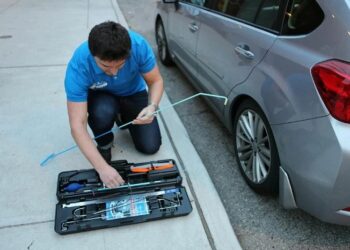
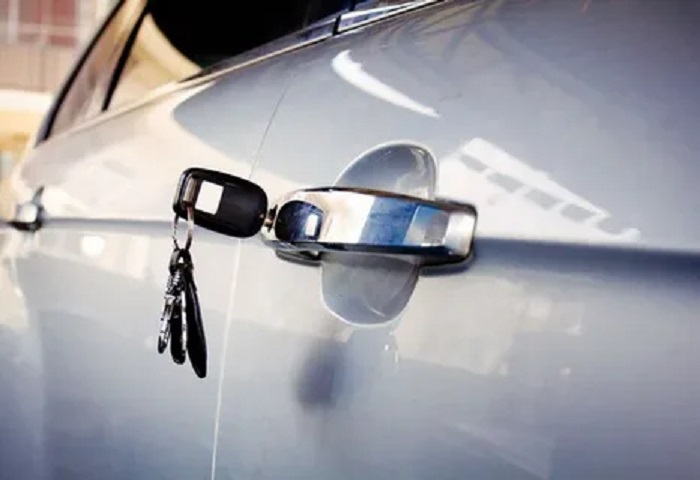
Car opening is a set of steps to gain access to the interior or locks without damaging body parts and with minimal risk of damage. Situations vary: keys left inside, a dead battery and the central locking system not working, a broken cylinder, or a jammed door or trunk mechanism.
To ensure safe and legal opening on https://carlocksmithcambridge.ca, it’s important to follow the rules: verify ownership, choose gentle methods, and consider the specific make, type, and level of security of the lock. Incorrect actions often result in damage to seals, glass, paintwork, and electronic modules.
Rules for safe and legal opening
1) Verify vehicle ownership. The correct procedure is to present the vehicle’s documents, passport, power of attorney, or other proof of ownership/use. If the documents are inside, indirect signs (e.g., registration in the manufacturer’s app) are usually helpful, but the final decision depends on the situation and local requirements.
2) Prioritize non-destructive methods. First, use methods that leave no traces: working with the lock, carefully creating a technological gap, accessing the button/handle, using standard emergency procedures.
3) Consider electronics and security systems. Modern cars are equipped with immobilizers, security sensors, dual locks, deadbolts, and frame windows. A mistake can cause false alarms, malfunctions in the comfort unit, or damage to the wiring in the door.
4) Prohibit forceful actions unless absolutely necessary. Breaking the glass and drilling out the cylinder are extreme measures when there are no alternatives or urgent access is required (e.g., a threat to life or health). After forced entry, the lock often requires repair and restoration of security.
Typical reasons for access blockage
- the keys are left in the car or trunk, and the doors are locked automatically;
- the battery is discharged: the central locking system does not open, the key fob is unresponsive;
- the door lock cylinder/cable/drive is broken;
- the lock mechanism or seals are frozen;
- an error in the alarm or keyless entry system.
Legal verification of access rights: documents, owner, power of attorney
Before any actions to open the car, it is necessary to confirm the legal right of access. Failure to verify documents can entail liability for both the executor and the initiator, even if the purpose seems “everyday” (keys are inside, the battery is discharged, etc.) etc.).
Verifying access rights is a mandatory step. It confirms that the opening is being performed at the request of an authorized person and in relation to a specific vehicle, excluding any signs of arbitrary action or complicity in illegal activities.
What and how to check before opening
1) Establish the identity of the applicant. A passport or other identification document will suffice. The full name and photograph are verified, and if necessary, a contact number for call confirmation.
2) Confirm the connection between the person and the vehicle. In practice, they check the vehicle documents and match the data with the applicant’s identity.
- Owner: passport + STS (registration certificate) and/or other documents confirming ownership (e.g., a sales contract when registering).
- Driver/user who is not the owner: passport + STS + power of attorney or other document/basis confirming authority (depending on the situation).
- Company/rental car: passport + STS + document from the organization/lessor (order, waybill, lease agreement, power of attorney) confirming the right of use and a request for Opening.
3) Check the power of attorney (if the applicant is not the owner). The power of attorney must clearly confirm the representative’s authority to act in relation to the vehicle and, if necessary, perform actions to access/receive the vehicle.
- Check the full name of the principal and representative, the expiration date, signature, and date.
- Check that the vehicle (VIN/number/make) is specified in the power of attorney or that the authority is formulated to cover a specific vehicle.
- Ensure that the authority is not limited and does not conflict with the declared actions.
4) Verify the vehicle on site. Before opening, compare the license plate number and/or VIN (if available) with those indicated in the documents. In case of discrepancies, opening will not be performed until clarification is reached.
5) Record consent and circumstances. It is recommended to prepare a brief report/application: who requested it, the basis for access, vehicle details, location/time, reason for opening, and a note indicating that the applicant has been warned of the risk of damage during emergency access.
High-risk situations, when it’s best to refuse and call the police/services:
- No documents and unable to confirm identity/authority.
- The applicant evades recording data or provides inconsistent information.
- There are signs of theft/burglary (damaged locks, wiring, attempts to escape, “unauthorized” license plates).
- The vehicle is located on disputed property or the applicant cannot confirm legal ownership/use.
Summary: Legal verification of access rights is as important a part of the procedure as choosing a break-in method. Documents, proof of ownership or authority under a power of attorney, verification of vehicle data, and recorded consent allow for legal and safe procedures for all parties.