
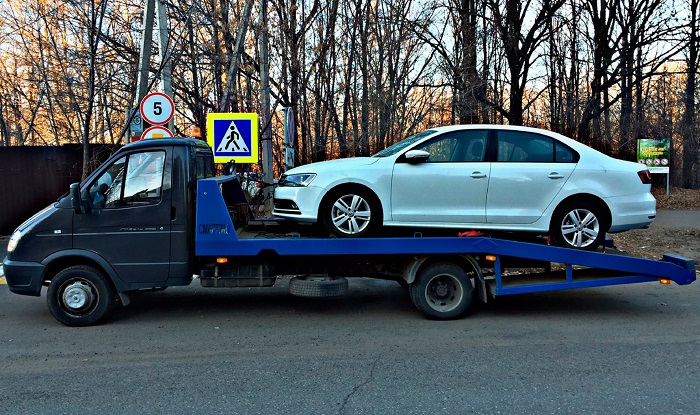
Car towing is an important procedure regulated by law and requires strict adherence to requirements and rules. Proper execution of towing operations helps ensure road safety, prevent accidents, and preserve the property of vehicle owners. It’s important to familiarize yourself with the basic aspects of the procedure on this website to understand your rights and responsibilities in the event of a towing need.
Learn more about towing on https://mtstowing.ca/ – it’s a source of useful information for drivers and organizations, helping them navigate the rules, nuances, and possible paperwork nuances. Compliance with towing regulations facilitates the prompt resolution of issues and minimizes negative consequences for all road users.
Legal Framework for the Towing of Cars in Urban Conditions
The towing procedure is also regulated by traffic regulations and road safety standards. In particular, legislation provides for instances in which a vehicle may be towed without a court order or other competent authority, for example, in the event of parking violations or if the vehicle obstructs traffic or poses a safety hazard. The grounds for evacuation are specified in the relevant administrative documents, which helps maintain a balance between maintaining order and protecting the rights of vehicle owners.
Requirements for evacuation procedures and responsibilities of the parties
The evacuation of passenger vehicles must be accompanied by accompanying documents, such as a evacuation report and owner notification. This ensures transparency of the procedure and minimizes potential conflicts.
The law also establishes the responsibilities of the parties. Local authorities and evacuation services are obligated to comply with the procedures and deadlines for evacuation operations, and vehicle owners have the right to receive information about the location of their vehicles within the prescribed timeframe. Failure to comply with towing regulations entails administrative liability, as well as the possibility of vehicle recovery, subject to fines and costs associated with towing and storage.
Overview of situations in which vehicle towing is mandatory
The main situations in which towing becomes mandatory are related to traffic violations, illegal stopping or parking, and the presence of obvious signs of a technical malfunction that could cause an accident or impede traffic. Below are the situations requiring mandatory towing.
Mandatory Cases of Vehicle Towing
- Parking or stopping in areas designated for special purposes, such as fire hydrants, bridges, and tunnels, which prevents their operation.
- Leaving a vehicle in a condition that creates a danger to others, such as due to a breakdown or after an accident, if the vehicle obstructs traffic or creates a risk to road users.
- Violating stopping or parking rules, such as leaving a vehicle in areas with prohibitory markings or in areas where parking is prohibited by signs or traffic regulations.
- Illegally parking a vehicle or carrying out business activities in it without permits.
- In the event of loss of documents or signs indicating the owner or legal use of the vehicle.
- If roadworks or repairs are necessary emergency situations where vehicles interfere with work or create obstacles for the rapid response of services.
Rules for filling out evacuation notices and interacting with road services
The evacuation notice must contain clear and legible information about the reason for the evacuation, information about the owner or persons responsible for the vehicle, as well as the contact information of the service performing the evacuation and the location of the tow truck.
Basic requirements for filling out and interacting with the notice
- Completing the notice: mandatory indication of the make, model, license plate number of the vehicle, the reason for the evacuation, and the date/time.
- Presentation of the document: the driver is obliged to present the evacuation notice if necessary to confirm the legality of the evacuation.
- Interaction with road services: it is necessary to strictly follow the instructions of the staff, promptly report any changes in the situation, and provide Requested documents.
Please note that timely and accurate completion of the evacuation notice, as well as proper communication with road service personnel, ensures compliance with legal regulations and facilitates a prompt resolution of the situation and minimizing inconveniences.