
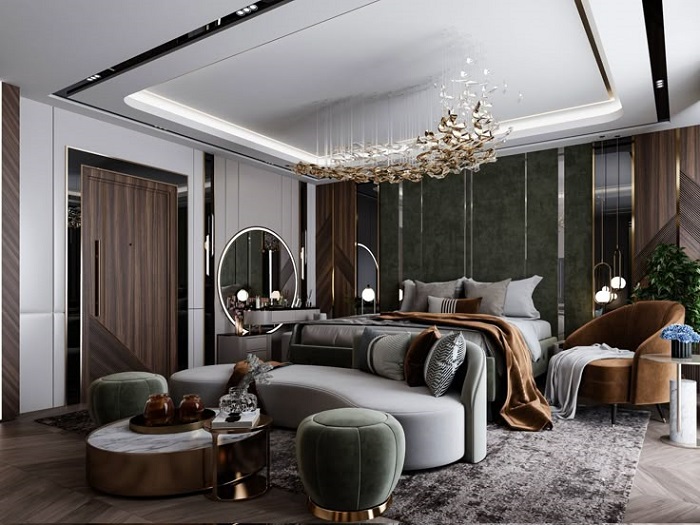
Luxury interiors are less about ostentation and more about the delicate balance between elegance, comfort, and a curated sense of identity. A well-appointed room transcends decoration — it becomes a lived experience, where every material, texture, and object tells a story. From the tactile indulgence of a sumptuous luxury sofa to the meticulous grain of an Italian dresser, luxury is revealed in the details, in the layering of spaces, and in the subtle orchestration of comfort and style.
Creating a room that exudes refinement requires a careful interplay of furniture, textiles, lighting, and art. The foundation of any sophisticated living area often begins with seating, where a statement piece can define scale and atmosphere. A sofa is more than a place to sit; it anchors the room, shaping how the space feels and functions, setting the tone for the rest of the interior.
Defining Luxury Through Furniture
Furniture in luxury interiors is never incidental. It is chosen for its ability to marry form, function, and artistry. Italian craftsmanship, in particular, offers timeless appeal. A dresser from Italy showcases impeccable wood selection, expert joinery, and design lines that effortlessly combine elegance with utility. These pieces serve both as storage solutions and sculptural elements, contributing to the room’s visual rhythm while reflecting the personality of its inhabitant.
Layering furniture thoughtfully is also critical. A room composed of just a few statement pieces risks feeling cold or sparse, whereas an ensemble that considers scale, proportion, and complementary materials creates a sense of intimacy. Pairing a leather or velvet sofa with an artisanal rug beneath, a sculptural side table nearby, and carefully chosen lighting overhead transforms a collection of objects into a cohesive narrative.
The Role of Textures and Materials
Luxury interiors thrive on texture. It is the way a silk curtain interacts with natural light, how the nap of a cashmere throw responds to touch, or the subtle grain of hand-selected wood. These tactile details create a sensory richness that elevates a room beyond its visual impression. Rugs, for example, are pivotal in grounding a space. Their textures not only provide comfort underfoot but also serve as visual anchors, harmonizing furniture with architectural elements.
Attention to materials also extends to metals, ceramics, and glass. Polished brass lighting can warm a room and highlight furniture forms. Stone surfaces, whether marble countertops or side tables, offer both durability and a tactile presence. Luxury interiors are defined not by a single material, but by the interplay of surfaces that engage sight, touch, and atmosphere.
Curating Color and Ambiance
Color in a luxury room is rarely accidental. Soft neutrals provide a backdrop for vibrant accents, while deep jewel tones can create intimacy and drama. Layering shades across walls, textiles, and furniture enables subtle contrasts that feel curated rather than forced. The ambient light — natural or artificial — interacts with color and texture to set the room’s mood. A well-placed lamp can soften corners, while daylight enhances the tonal richness of wood and fabrics, creating a dynamic, ever-changing environment.
Art, Accessories, and Personal Touches
True luxury spaces are never devoid of personality. Artworks, books, sculptural objects, and curated accessories provide narrative and emotional depth. A minimal console may be enhanced with a collection of ceramics, or a wall left bare may feature a single statement painting. These elements invite viewers to linger, creating a dialogue between the inhabitant and the space. The art of luxury interiors lies in knowing what to include and, equally, what to leave out — allowing each piece to breathe.
Creating Harmony in Scale and Proportion
Luxury is inseparable from proportion. Oversized furniture in a modest room overwhelms, while delicate pieces in a vast space may disappear. Designers consider ceiling height, floor plan, and circulation patterns to orchestrate a harmonious environment. The arrangement of sofas, dressers, and occasional chairs must feel deliberate, with pathways that encourage ease of movement and interaction. A room feels luxurious not just when its pieces are beautiful, but when they coexist in perfect balance.
Final Thoughts on Inspiration
Designing a luxury room is an exercise in curation, patience, and intuition. It is the deliberate layering of furniture, the thoughtful consideration of textures and materials, and the orchestration of scale, proportion, and color. Each decision contributes to a holistic experience, transforming a collection of objects into a cohesive, refined interior that is as livable as it is aspirational.